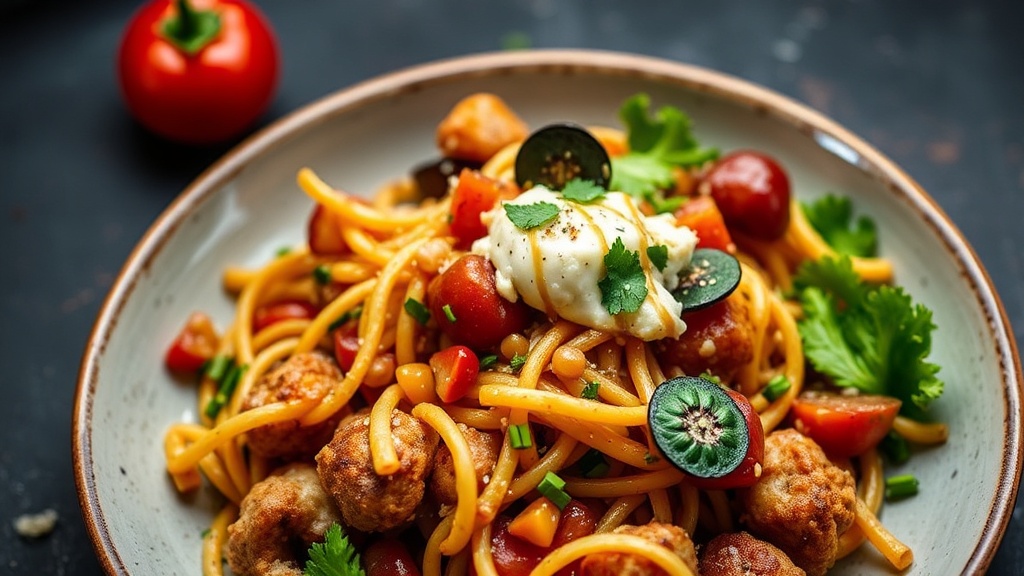
7 Game-Changing Plant-Based Swaps That Transform Any Recipe

Cashew Cream: The Ultimate Dairy Replacement
Flax Eggs: The Binding Secret for Baking
Nutritional Yeast: Cheesy Flavor Without the Cheese
Aquafaba: Egg Whites from a Can
Coconut Aminos: Soy-Free Umami Bomb
What Are the Best Plant-Based Substitutes for Common Animal Ingredients?
The right plant-based swaps don't just replace animal products—they often improve texture, add nutrition, and introduce flavors that make familiar dishes more interesting than the originals. This guide covers seven substitutions that actually work in everyday cooking, backed by testing in real Victoria kitchens. You'll find specific product recommendations, technique tips, and the honest truth about what works (and what doesn't).
Understanding Why Substitution Fails
Most vegan cooking disappointments come from expecting plant ingredients to behave exactly like animal products. They won't. The goal isn't imitation—it's adaptation. Aquafaba whips into meringue that stands taller than egg white versions. Cashew cream delivers richness without the heaviness of dairy. These aren't compromises. They're upgrades.
Here's the thing: successful plant-based cooking requires understanding what each ingredient actually does in a recipe. Eggs bind, leaven, emulsify, or add moisture depending on preparation. Milk provides fat, liquid, protein, or tang. Once you know the function, substitution becomes straightforward.
Can Aquafaba Really Replace Eggs in Baking?
Yes—three tablespoons of aquafaba (the liquid from canned chickpeas) substitute for one whole egg in most recipes, and it whips into meringue that holds stiff peaks better than egg whites.
Discovered by French musician Joël Roessel in 2014, aquafaba transformed vegan baking overnight. The viscous liquid contains proteins and starches that mimic egg's structural properties. Before this discovery, vegan meringues were essentially impossible.
Worth noting: not all chickpea liquids perform equally. Eden Organic and Jovial brands produce reliably thick aquafaba. Generic brands often contain excess water—reduce it by simmering until it coats a spoon.
- Whole egg replacement: 3 tablespoons aquafaba per egg
- Egg white replacement: 2 tablespoons, whipped to stiff peaks
- Best applications: Meringues, macarons, mousses, marshmallows
- Avoid in: Recipes relying on egg yolk richness (custards, certain cakes)
The catch? Aquafaba adds subtle bean flavor to uncooked preparations. Vanilla extract masks this effectively. In cooked applications, the taste disappears entirely.
What's the Best Dairy-Free Alternative for Heavy Cream?
Full-fat coconut cream—the thick layer from chilled coconut milk—whips into peaks and adds richness indistinguishable from dairy cream in soups, sauces, and desserts.
Skip the "lite" versions. You need fat content around 17-20% for proper behavior. Aroy-D and Native Forest produce reliably thick creams without stabilizers that interfere with whipping.
For savory applications, cashew cream offers neutral flavor. Soak raw cashews for four hours, blend with fresh water at 1:2 ratio, and strain. The result outperforms store-bought alternatives in pasta sauces and creamy soups.
| Application | Best Substitute | Preparation | Brands That Work |
|---|---|---|---|
| Whipping | Coconut cream | Chill can 24 hours, scoop thick layer | Aroy-D, Native Forest |
| Coffee creamer | Oat barista blend | Use straight from carton | Oatly, Minor Figures, Califia Farms |
| Savory sauces | Cashew cream | Soak 4 hours, blend 1:2 with water | Bulk raw cashews (any source) |
| Baking (muffins, quick breads) | Unsweetened applesauce | Replace 1:1 for oil/butter | Mott's, homemade |
How Do You Replace Butter Without Sacrificing Flavor?
Refined coconut oil mixed with a small amount of plant milk (3:1 ratio) creates a butter substitute that creams with sugar and produces flaky pastries nearly identical to dairy butter versions.
That said, different applications demand different approaches. For spreading on toast, Miyoko's Cultured Vegan Butter or Earth Balance work straight from the refrigerator. For pie crust, frozen coconut oil grated into flour produces flakier results than commercial vegan butters.
The technique matters more than the product. Cold butter creates steam pockets in pastry—that's flakiness. Any solid fat can achieve this if kept properly chilled during mixing. Work quickly. Work cold.
For browned butter flavor (beurre noisette), heat coconut oil with a tablespoon of cashew butter until nutty and fragrant. The proteins in cashew butter Maillard-react similarly to milk solids. Add to cookies, financiers, or drizzle over vegetables.
Is There a Plant-Based Substitute That Actually Tastes Like Cheese?
Nothing replicates aged dairy cheese exactly—but nutritional yeast combined with soaked cashews and miso creates sauces that satisfy the same umami cravings in entirely different ways.
Nutritional yeast (saccharomyces cerevisiae) contains natural glutamates that trigger the same taste receptors as aged cheese. Bragg's and Bob's Red Mill offer reliable products. The catch? It doesn't melt or stretch.
For melting applications, Miyoko's Smoked Farmhouse and Violife Mozzarella Shreds perform adequately on pizza. Homemade potato-starch based sauces (the "Nacho Dad" method) create excellent queso dip that stretches and coats chips properly.
"The goal isn't to fool anyone into thinking they're eating dairy. The goal is creating something delicious that happens to be plant-based." — Miyoko Schinner
Building Cheese Flavor from Scratch
Several ingredients create cheese-like complexity when combined:
- White miso: Fermented depth and salt
- Lemon juice: Acidic brightness
- Garlic powder: Sulfurous sharpness
- Tapioca starch: Stretch and body when heated
- Refined coconut oil: Rich mouthfeel
Blend these with soaked cashews and nutritional yeast for mac and cheese that rivals boxed versions. The texture won't fool dairy enthusiasts. The flavor might.
What Replaces Honey in Vegan Recipes?
Maple syrup substitutes 1:1 in most baking, while date syrup provides mineral complexity and lower glycemic impact for drizzling and beverages.
Here's the thing: honey performs multiple functions. It sweetens, obviously. It also retains moisture, contributes acidity, and provides distinct flavor. Different substitutes address different aspects.
For baking where moisture matters, maple syrup works beautifully. For tea or drizzling where honey's viscosity is key, Just Date Syrup or Silan (Middle Eastern date syrup) match the texture more closely. Agave dissolves instantly in cold drinks—honey doesn't—making it superior for iced beverages.
Molasses and blackstrap provide the mineral complexity missing from refined sweeteners. In gingerbread or BBQ sauce, they outperform honey. In delicate applications like fruit salad, they overwhelm.
How Can You Add Meaty Texture Without Meat?
Mushrooms (particularly king oyster and shiitake), when shredded and seared, develop textures and umami intensity that satisfy meat cravings in tacos, pasta sauces, and stir-fries.
The technique is simple. Shred king oyster mushrooms lengthwise using a fork. Press between paper towels to remove excess moisture. Sear in smoking-hot oil without moving for 3-4 minutes per side. The result resembles pulled pork or shredded chicken.
For ground meat applications, Impossible Foods and Beyond Meat products perform reliably in chili, Bolognese, and tacos. Textured vegetable protein (TVP) rehydrated with seasoned broth works in budgets where premium products don't fit.
Worth noting: these aren't health foods. They're convenience foods. Whole mushrooms, lentils, and walnuts provide better nutrition with less processing. The trade-off is time and texture.
The Walnut-Mushroom Blend
For homemade "meat" crumbles, pulse walnuts and cremini mushrooms with soy sauce, smoked paprika, and cumin. Bake at 350°F until dry and crisp. This mixture tops salads, fills tacos, and stuffs peppers at roughly one-third the cost of commercial alternatives.
Which Egg Replacement Works Best for Binding?
Ground flaxseed mixed with water (1 tablespoon flax to 3 tablespoons water, rested 10 minutes) creates a gel that binds burgers, meatballs, and baked goods without adding unwanted flavors.
Unlike aquafaba (which excels at leavening), flax eggs provide structure and moisture. They won't help cookies rise, but they'll prevent crumbling. Bob's Red Mill sells pre-ground flax, though whole seeds ground fresh in a spice grinder retain more omega-3s.
Chia seeds work similarly but create visible specks in light-colored baked goods. Just Egg (mung bean-based liquid) scrambles convincingly and works in frittatas. Follow Your Heart VeganEgg performs adequately in quiches and custards.
That said, binding requirements vary by recipe. Black bean burgers need less binding than lentil loaves. Cookie dough needs different treatment than cake batter. Start with the standard flax ratio and adjust based on results.
Quick Reference: Egg Replacements by Function
| Recipe Type | Best Substitute | Ratio (per egg) |
|---|---|---|
| Cookies, muffins | Flax egg | 1 tbsp ground flax + 3 tbsp water |
| Angel food cake, meringue | Aquafaba | 3 tbsp, whipped |
| Scrambled eggs | Just Egg | 3 tbsp liquid |
| Quiche, custard | Silken tofu | 1/4 cup blended |
| Meatballs, burgers | Flax or chia egg | 1 tbsp ground seed + 3 tbsp water |
Do These Swaps Actually Work in Traditional Recipes?
Yes—with adjustments to technique rather than wholesale recipe rewrites, most traditional recipes adapt successfully using these seven substitutions.
The reality: plant-based cooking requires recalibration, not reinvention. Your grandmother's cookie recipe works with flax eggs instead of chicken eggs. The Bolognese sauce tastes rich with mushrooms replacing ground beef. Cream soups achieve silky textures with cashews rather than heavy cream.
The learning curve exists. First attempts rarely perfect. Second attempts usually succeed. By the third, you'll forget why the original seemed necessary.
Start with one substitution per recipe. Master aquafaba meringues before attempting vegan macarons. Nail cashew cream in soup before trying it in ice cream. Confidence builds through incremental success.
The Physicians Committee for Responsible Medicine provides evidence-based guidance on plant-based nutrition. The Vegan Society offers extensive substitution charts and technique guides. For recipe inspiration, Miyoko's Creamery blog demonstrates professional applications of cultured plant-based techniques.
Victoria's growing plant-based scene—from Green Cuisine in Market Square to the farmers' markets selling fresh local produce—makes experimentation easier than ever. The ingredients exist. The techniques are learnable. The results speak for themselves.