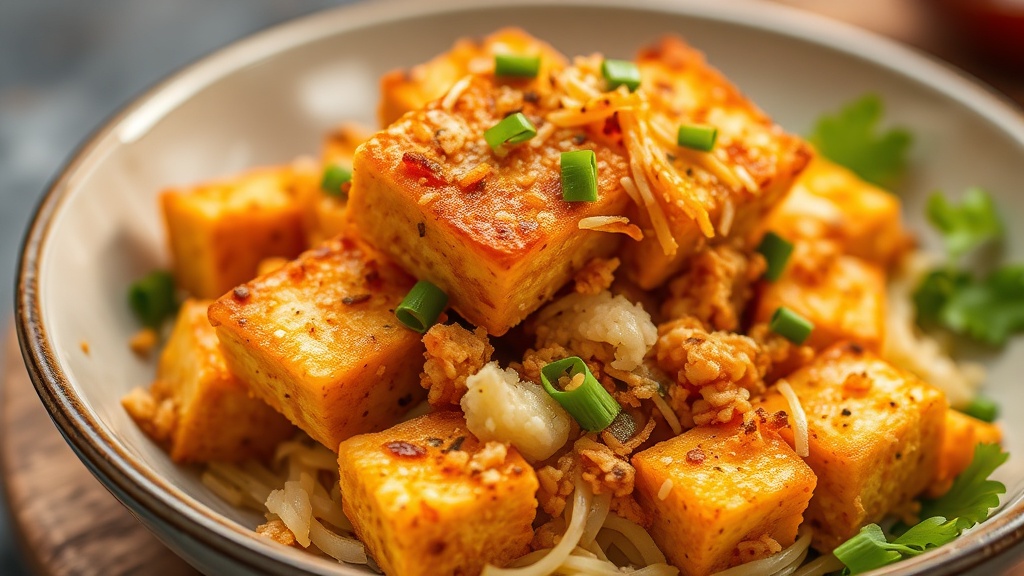
Achieving Perfect Texture: Your Guide to Crispy, Flavorful Tofu and Tempeh

Achieving Perfect Texture: Your Guide to Crispy, Flavorful Tofu and Tempeh
Many home cooks mistakenly believe plant-based proteins like tofu and tempeh are destined to be bland or rubbery. This common misconception often discourages exploration of their incredible culinary potential, leading to uninspired dishes. But with the right approach and a few straightforward techniques, these versatile ingredients transform into savory, satisfying components with fantastic texture—crispy on the outside, tender within. This guide will walk you through precise, repeatable steps to achieve perfectly crispy, flavor-packed tofu and tempeh every single time, turning skepticism into culinary delight and making your plant-based meals truly shine. We’ll cover everything from essential preparation hacks to optimal cooking methods, ensuring your dishes are anything but boring.
Why Does My Tofu Always Turn Out Soggy?
The primary reason tofu fails to crisp up is excess water. Tofu, especially the firm and extra-firm varieties ideal for crisping, comes packed in water. This moisture actively inhibits browning and prevents that highly sought-after crunchy exterior. Think of it this way: you can’t get a good sear on a wet steak, and the same principle applies here.
Pressing is non-negotiable. This step removes the majority of the internal water, making space for marinades and allowing the tofu to crisp beautifully. You can use a dedicated tofu press, or a simpler DIY method: wrap the block in a clean kitchen towel or several layers of paper towels, place it on a plate, and top with something heavy like a stack of cookbooks or a cast-iron pan. Press for at least 30 minutes, but ideally for an hour or even several hours for the firmest results. The longer you press, the more water you remove, and the better your tofu will crisp.
An optional, yet powerful, hack for maximum crispness and flavor absorption is to freeze and thaw your tofu. Freezing alters the tofu's structure, creating small ice crystals that expand and then leave behind tiny pockets when thawed. This makes the tofu spongier and more absorbent. To do this, simply freeze the entire block in its package (or out, in a freezer-safe bag) overnight. Thaw it completely, then press it vigorously as described above. You’ll notice significantly more water comes out, and the tofu will have a chewier, meatier texture.
Even after thorough pressing, surface moisture remains. Just before cooking, take the time to meticulously pat every surface dry with paper towels or a clean kitchen towel. This creates the perfect, dry canvas for browning and crisping.
Finally, consider your cutting technique. Cutting tofu into uniform cubes, triangles, or thin slabs increases the surface area exposed to heat, leading to more crispy edges. Thinner pieces will crisp faster and more thoroughly than thicker ones. Aim for pieces roughly ¾ to 1 inch thick for optimal results.
What Are the Best Marinades for Infusing Flavor into Tofu and Tempeh?
Marinades are undeniably key for flavor, but not all are created equal when crispness is the goal. For the crispiest results, you want to avoid overly oily or sugary marinades for the initial cooking phase, as these can burn quickly or create a barrier that prevents proper browning. Instead, focus on intense flavors with minimal liquid.
Sometimes, a dry rub is your best bet. A simple mixture of cornstarch or arrowroot powder with your favorite spices (smoked paprika, garlic powder, onion powder, nutritional yeast, a pinch of cayenne) creates a beautiful, crisp crust without adding moisture. Just toss the pressed and dried tofu/tempeh with the rub until evenly coated.
If you prefer a wet marinade, opt for minimal liquid marinades. These concentrate flavor without saturating the protein. Think soy sauce or tamari, rice vinegar, a touch of maple syrup for sweetness, minced garlic, grated ginger, and a dash of sriracha or red pepper flakes for heat. Marinate the pressed and dried tofu for at least 30 minutes, or for an even deeper flavor, let it sit in the fridge overnight. Before cooking, drain any excess marinade thoroughly and pat dry again.
For tempeh specifics: tempeh has a denser, firmer texture and a distinct nutty, slightly bitter flavor that some find strong. To temper this and make it more receptive to marinades, it greatly benefits from being steamed first. Cut your tempeh into desired shapes, then steam it in a steamer basket over simmering water for 10-15 minutes. This softens the tempeh and opens up its pores, allowing it to absorb marinades much more effectively. After steaming, pat it dry thoroughly before marinating or applying a dry rub.
Here are a few simple marinade ideas to get you started:
- Teriyaki-Inspired: Soy sauce/tamari, maple syrup, rice vinegar, grated ginger, minced garlic, a splash of sesame oil.
- Smoky & Savory: Liquid smoke, smoked paprika, soy sauce/tamari, a touch of apple cider vinegar.
- Spicy Chili-Lime: Lime juice, sriracha or chili garlic sauce, soy sauce/tamari, a little agave, garlic powder.
- Herby Lemon: Lemon juice, fresh or dried oregano and thyme, garlic powder, a pinch of black pepper.
Remember, the goal is intense flavor penetration without adding too much moisture that would impede crisping. For more detailed exploration of flavor combinations, reputable culinary resources offer a wealth of plant-based marinade recipes (e.g.,