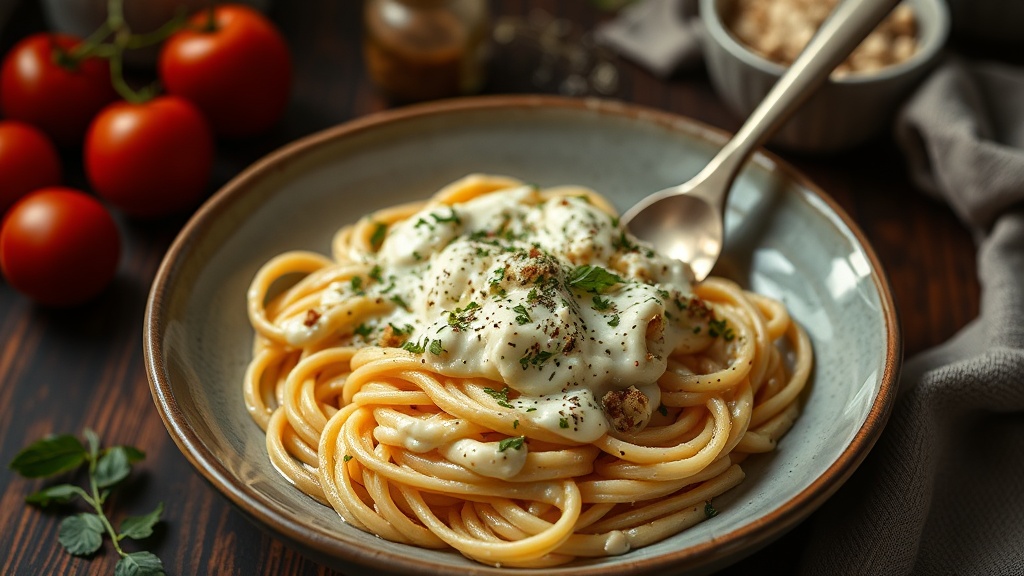
Creamy Cashew Alfredo Pasta: A Plant-Based Dinner Revolution

This post delivers a complete guide to making creamy cashew alfredo pasta at home — no dairy required. Whether the goal is reducing animal product consumption, managing lactose intolerance, or simply exploring new flavors, this recipe transforms a classic Italian comfort dish into something entirely plant-based without sacrificing richness or satisfaction.
What Makes Cashew Alfredo Sauce So Creamy Without Dairy?
The secret lies in raw cashews' unique fat and protein structure. When soaked and blended, cashews break down into an exceptionally smooth, velvety base that mimics heavy cream's mouthfeel. Unlike other nut alternatives, cashews lack the gritty texture or overpowering flavor that can dominate a sauce.
The science is straightforward — cashews contain approximately 46% fat and 18% protein by weight. When combined with water and blended at high speed, these components emulsify into something remarkably similar to dairy cream. Soaking the nuts (even for just 30 minutes in hot water) softens them sufficiently for most standard blenders to achieve that silky consistency.
That said, not all cashews perform equally. Raw, unsalted varieties from brands like Whole Foods 365 or Trader Joe's produce superior results compared to pre-roasted options, which carry a toasted flavor that clashes with alfredo's subtle profile. The difference is noticeable — raw cashews yield a neutral, creamy canvas that accepts garlic, nutritional yeast, and lemon beautifully.
Soaking Methods Compared
| Method | Time Required | Best For | Texture Result |
|---|---|---|---|
| Hot water soak | 30 minutes | Weeknight dinners | Smooth, slightly firm |
| Room temperature water | 2-4 hours | Planned meals | Very smooth, soft |
| Overnight refrigeration | 8-12 hours | Meal prep batches | Ultra-creamy, silky |
| Quick boil method | 10 minutes | Last-minute cooking | Acceptable, slightly grainy |
The catch? Over-soaking creates a somewhat gummy texture — stick to the recommended times for optimal results.
Which Pasta Shapes Work Best With Cashew Alfredo?
Fettuccine remains the traditional choice — its wide, flat ribbons capture thick sauce brilliantly. However, several alternatives deserve consideration depending on personal preference and sauce consistency.
Here's the thing about pasta geometry: the sauce determines the ideal shape. A thinner cashew sauce (achieved by adding extra water or plant milk) pairs wonderfully with long strands like spaghetti or linguine. Thicker, almost dip-like preparations demand shapes with nooks and crannies — rigatoni, penne, or farfalle trap sauce in their ridges and folds, delivering more flavor per bite.
For those seeking something unconventional, brown rice pasta from Tinkyáda offers excellent gluten-free results without the gummy texture common to other alternatives. Their fettuccine-style noodles hold up remarkably well when tossed with cashew-based sauces — a rare quality in the gluten-free pasta world.
Worth noting: fresh pasta (homemade or store-bought from shops like Pasta Princess in Victoria) absorbs sauce differently than dried varieties. The porous, slightly rough surface of fresh egg-free pasta creates an almost velvety coating that dried pasta cannot replicate. If time permits, the upgrade is significant.
Top Pasta Recommendations
- De Cecco Fettuccine — bronze-cut texture grips sauce exceptionally; widely available at Thrifty Foods and Fairway Market
- Banza Chickpea Linguine — higher protein content, subtle nuttiness complements cashew base
- Jovial Brown Rice Penne — organic, gluten-free, maintains firmness when sauced
- Homemade Semolina-Free Fettuccine — using 00 flour and water creates delicate, sauce-clinging strands
How Do You Build Depth of Flavor in Dairy-Free Alfredo?
Nutritional yeast provides the foundational savory, cheesy quality — but relying on it alone produces one-dimensional results. The most satisfying cashew alfredos layer multiple umami sources.
White miso paste (specifically shiro miso from Eden Foods) contributes fermented depth that reads as "aged cheese" to most palates. Just one tablespoon transforms a basic sauce into something complex and intriguing. The salt content also eliminates the need for additional seasoning — taste before adding sea salt.
Roasted garlic (rather than raw) mellows sharpness into sweet, caramelized notes that blend seamlessly with cashews. Here's a pro technique: roast a whole head wrapped in foil at 400°F for 40 minutes, then squeeze the soft cloves directly into the blender. The difference between roasted and raw garlic in this application is dramatic — raw can overpower; roasted integrates.
Acid balances richness. Fresh lemon juice (never bottled) brightens the sauce, preventing that heavy, mouth-coating sensation that can make plant-based cream sauces feel overwhelming. Start with one tablespoon, taste, and adjust. Some batches of cashews are oilier than others — they demand slightly more acid for equilibrium.
The Flavor Building Blocks
- Base: Soaked cashews + filtered water
- Umami: Nutritional yeast + white miso
- Aromatics: Roasted garlic + onion powder
- Acid: Fresh lemon juice
- Body: Optional — a few tablespoons of soaked hemp hearts or silken tofu
- Finish: Freshly cracked black pepper, chopped parsley
Common Pitfalls and Solutions
Grainy sauce? The blender likely lacks power — or the cashews needed more soaking. High-speed blenders like Vitamix or Blendtec handle this effortlessly, but standard models can achieve smooth results with adequate soak time and patience. Blend for a full 60-90 seconds, scraping sides as needed.
Too thin? The solution isn't more cashews (which throws off flavor balance) — reduction. Simmer the blended sauce gently for 3-5 minutes, stirring constantly, until it coats a spoon. Alternatively, a tablespoon of tapioca starch blended in adds body without altering taste.
Bland results? Check nutritional yeast freshness — it loses potency after 6-8 months opened. Also verify white miso hasn't fermented too long in the refrigerator — old miso becomes sharply salty rather than savory-sweet.
Complete Recipe: Creamy Cashew Alfredo Pasta
This preparation serves four generously — scale as needed, though the sauce keeps refrigerated for up to five days (unlike dairy alfredo, which separates).
Ingredients
- 1 1/2 cups raw cashews, soaked 30 minutes in hot water
- 3/4 cup filtered water (plus more for thinning)
- 1 head garlic, roasted
- 1/4 cup nutritional yeast (Red Star or Bragg brands recommended)
- 1 tablespoon white miso paste
- 2 tablespoons fresh lemon juice
- 1/2 teaspoon onion powder
- 1/4 teaspoon freshly ground black pepper
- Sea salt to taste
- 16 oz fettuccine (De Cecco preferred)
- Fresh parsley and extra nutritional yeast for serving
Instructions
- Drain and rinse soaked cashews thoroughly.
- In a high-speed blender, combine cashews, water, roasted garlic cloves (squeezed from skins), nutritional yeast, miso, lemon juice, onion powder, and pepper.
- Blend on high for 60-90 seconds until completely smooth and velvety — no grit should remain.
- Taste and adjust seasoning. Add more lemon for brightness, salt if needed, or water (one tablespoon at a time) to reach desired consistency.
- Cook pasta in generously salted boiling water until just shy of al dente — approximately 1 minute less than package directions.
- Reserve 1 cup pasta water before draining.
- Return pasta to pot over low heat. Add cashew sauce and toss vigorously, adding reserved pasta water as needed to create a glossy, coating consistency.
- Serve immediately, garnished with chopped parsley and additional nutritional yeast.
Variations Worth Exploring
For mushroom alfredo, sauté 8 oz sliced cremini mushrooms in olive oil until deeply browned, then fold into finished pasta. The earthy meatiness creates an entirely different dish — still comforting, but more substantial.
Adding wilted spinach or kale introduces color and nutrition without compromising the creamy experience. Fold greens in during the final tossing stage — they'll soften from residual heat without becoming mushy.
Those seeking protein can top servings with crispy pan-fried tempeh (Lightlife Original, cubed and browned) or white beans blended into the sauce itself for extra body. The bean addition thickens significantly — reduce cashews to 1 cup if attempting this modification.
Pairing Suggestions
A crisp, unoaked white wine — something like a Pinot Grigio from Gray Monk Estate Winery in British Columbia's Okanagan Valley — cuts through the richness beautifully. For non-drinkers, sparkling water with lemon serves a similar palate-cleansing function.
Garlic bread made with Miyoko's cultured vegan butter and a crusty sourdough from Fol Epi in Victoria rounds out the meal without competing for attention. The key is restraint — this pasta deserves to be the star.
Store leftovers in airtight containers for up to five days. The sauce thickens considerably when chilled — revive with a splash of water or plant milk when reheating. Freezing isn't recommended — the emulsion breaks upon thawing, resulting in an unappealing separated texture.
"The best plant-based cooking doesn't apologize for what it's missing — it celebrates what it offers. This alfredo isn't 'good for vegan food.' It's just good food, period."