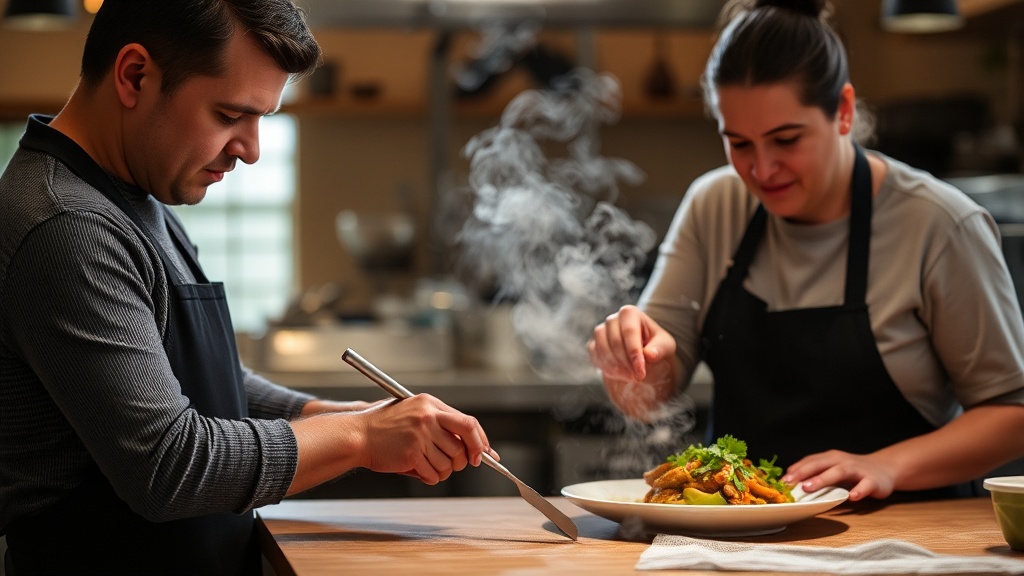
How Do You Build Restaurant-Quality Depth in Home-Cooked Vegan Dishes?
Why Does My Vegan Cooking Taste One-Dimensional?
You've followed the recipe exactly. Fresh vegetables, quality olive oil, perhaps a splash of soy sauce for that umami hit. Yet something's missing—that lingering complexity that makes restaurant vegan food so satisfying while yours falls flat. The culprit isn't your ingredients (well, not entirely). It's how you're layering them.
Professional kitchens don't rely on single "flavor bombs." They build depth through strategic seasoning at every stage of cooking. Think of it like painting—one coat looks flat, but layered colors create richness. The same principle applies to your plant-based meals. Most home cooks season once at the end, maybe twice if they're feeling fancy. But building depth requires seasoning throughout the process, with different elements added at specific moments to maximize their impact.
The foundation starts with understanding that salt, acid, heat, and fat aren't competing forces—they're collaborators. When you grasp how they interact, you stop adding ingredients randomly and start building flavor architecture. Your palate develops. Your cooking transforms. And suddenly, that Tuesday night lentil stew rivals anything from your favorite vegan bistro.
How Do Professional Cooks Layer Flavors Differently Than Home Cooks?
In restaurant kitchens, seasoning happens in stages. The aromatics hit hot oil first, blooming their key oils. Then vegetables cook with salt to draw out moisture and concentrate sugars. Stocks simmer with whole spices that slowly release their oils. Finishing touches—bright acids, fresh herbs, nutty oils—add at the end so their volatile compounds don't cook away.
Home cooks often dump everything together. Onions, garlic, vegetables, liquid—all into the pot at once. The aromatics steam instead of sauté. Vegetables boil in their own juices instead of caramelizing. Spices get lost in liquid instead of blooming in fat. The result? Muddy flavors where nothing stands out.
The fix is timing. Start your aromatics (onion, garlic, ginger, shallots) in fat over medium heat until they're deeply golden—not just translucent. This Maillard reaction creates hundreds of new flavor compounds. Then add dried spices directly to the fat, stirring for 30 seconds until fragrant. Fat carries flavor; toasting spices in oil rather than liquid extracts maximum potency. Finally, add vegetables in batches by density—hard ones first, tender ones later—seasoning each addition lightly with salt.
Acid is another underutilized tool. Most home cooks add acid (vinegar, citrus, tomatoes) at the beginning of cooking. But heat destroys the bright, fresh notes that make acid compelling. Instead, split your acid: add half during cooking for body, half at the end for brightness. That tomato sauce? A splash of red wine vinegar early builds depth; a squeeze of lemon at the finish adds sparkle. Your palette of flavors expands dramatically with this simple shift.
What Role Do Aromatics Play in Creating Complex Vegan Bases?
Aromatics—onion, garlic, celery, carrots, ginger, leeks, shallots—form the backbone of most great dishes. In vegan cooking, they're even more critical because they provide the savory foundation that animal products usually supply. But most people undercook them, rushing to add other ingredients before these flavor powerhouses have given their all.
The secret is patience (and slightly higher heat than you might expect). Onions need 15-20 minutes to fully caramelize, developing deep sweetness and complexity. Garlic added too early burns bitter; added too late tastes raw. The sweet spot? Add garlic when onions are about two-thirds done—translucent and soft but not yet golden. Then both finish together, creating a harmonious base rather than competing flavors.
Beyond the usual suspects, explore less common aromatics. Fennel adds subtle anise notes that pair beautifully with tomato-based dishes. Leeks contribute gentle allium sweetness without sharpness. Celery root (celeriac) brings earthy, parsley-like complexity to pureed soups. Ginger and scallions form the holy trinity of East Asian cooking, while the Cajon "holy trinity" of onion, celery, and bell pepper creates entirely different flavor territory. Understanding these regional aromatic bases lets you pivot the same vegetable medley into completely different cuisines just by changing your starting lineup. The aromatic foundations of cooking are worth studying deeply.
How Can I Build Texture Alongside Flavor?
Texture is flavor's dance partner. A silky soup with no contrast feels flat regardless of seasoning. A grain bowl with uniform softness reads as boring even with excellent dressing. Restaurant chefs think about "bite"—crunchy against creamy, chewy against tender—as deliberately as they consider taste.
Build texture through varied cooking methods. Roast some vegetables while sautéing others. Add toasted nuts or seeds for crunch. Finish with fresh herbs for brightness. Consider temperature contrast: warm grain bowls topped with cool avocado, or hot soup with a room-temperature drizzle of herb oil.
Don't forget the power of textural garnishes. Toasted breadcrumbs add crunch to pasta without cheese. Fried shallots provide crispy allium bursts on salads or soups. Crushed toasted nuts create richness and body in pestos. These aren't afterthoughts—they're integral to the eating experience. Plan for them from the start, not as optional toppings but as key components.
What About Building Depth in Quick Weeknight Meals?
Not every meal has hours for caramelization and slow simmering. But even 30-minute dishes benefit from layered thinking. The key is choosing ingredients that come pre-loaded with developed flavors—miso paste, tomato paste, chipotle in adobo, curry pastes, fermented black beans, caramelized onions (store-bought is fine in a pinch).
Start these concentrated flavor bombs in hot oil for 60 seconds before adding other ingredients. They'll bloom and deepen, giving you a head start on complexity. Then use your quick-cooking ingredients strategically: quick-cooking grains like quinoa or millet, pre-washed greens, canned beans that just need warming.
Even in fast cooking, separate your acid. Add vinegars or citrus at the end for brightness. Keep fresh herbs whole and add them off-heat so their key oils don't volatilize away. That 20-minute chickpea curry can taste surprisingly sophisticated with these professional habits.
How Do I Know When I've Achieved the Right Balance?
Taste constantly—but taste intelligently. Season in small increments, tasting between each addition. If something tastes flat, it usually needs salt or acid (often both). If it's too sharp, it needs richness (oil, nut butter, coconut milk). If it's cloying or heavy, bright herbs or acid will lift it.
The final taste test matters most. Let your dish rest for five minutes, then taste again. Flavors meld and shift as they sit. That dal might need a final squeeze of lime. The stew might want a drizzle of good olive oil. Trust your palate—it develops with practice, and building this awareness is perhaps the most valuable cooking skill you'll ever develop.
Layering flavor isn't about complicated recipes or expensive ingredients. It's about attention—cooking with intention, adding elements at the right moment, and tasting thoughtfully throughout. Start applying these principles to your next meal. Notice the difference. Your vegan cooking will never be the same.
Looking to deepen your understanding of plant-based techniques? The science behind vegetable cooking offers fascinating insights into why these methods work. Apply them consistently, and you'll build dishes with genuine depth—no animal products required.