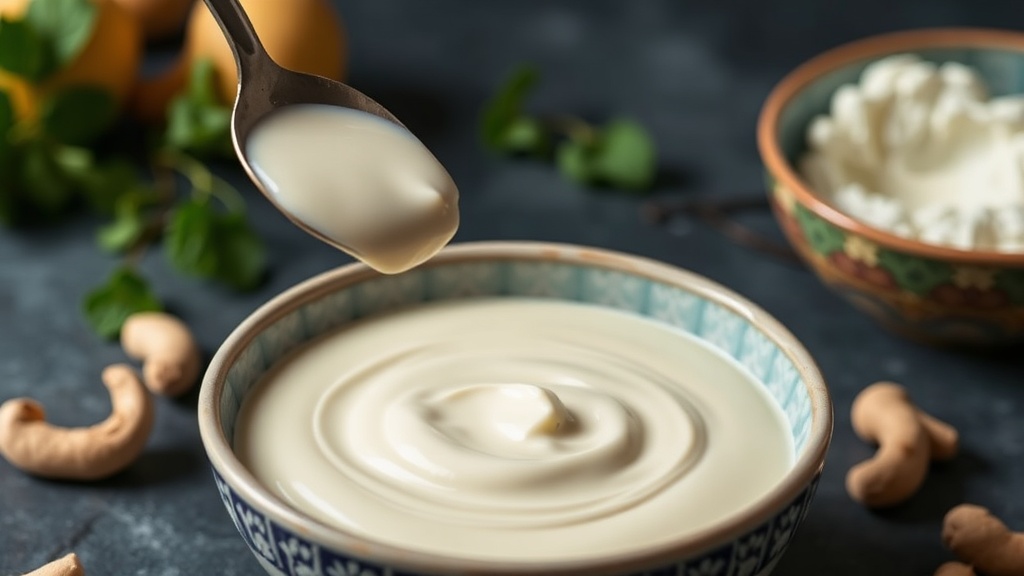
How to Make Silky Cashew Cream: The Ultimate Dairy-Free Substitute

This post covers everything needed to make restaurant-quality cashew cream at home—from selecting the right nuts to achieving that velvety texture that rivals dairy heavy cream. Whether lactose intolerant, following a plant-based diet, or simply curious about dairy alternatives, learning this technique opens up hundreds of recipes that traditionally depend on cream.
What Makes Cashew Cream the Best Dairy-Free Alternative?
Cashew cream stands out because cashews contain more starch and less fiber than other nuts, creating a neutral-tasting base that blends smoother than almond or coconut alternatives. Unlike coconut cream—which carries a distinct tropical flavor—cashew cream remains virtually flavorless, making it ideal for both sweet and savory applications.
The magic lies in the fat content. Raw cashews contain approximately 46% fat by weight, primarily heart-healthy unsaturated fats. When soaked and blended, these fats emulsify with water to create a suspension that mimics the mouthfeel of dairy cream almost perfectly.
Here's the thing: not all cashews work equally well. For the silkiest results, seek out raw, unsalted cashews from brands like Terra Cashews or bulk bins at stores like Whole Foods. Avoid roasted varieties—the heat alters the fat structure and introduces unwanted flavors that no amount of blending can remove.
What Ingredients Do You Need for Basic Cashew Cream?
The ingredient list is refreshingly short: raw cashews, filtered water, and a pinch of salt. That's it. No stabilizers, no gums, no preservatives that you'll find in store-bought versions like Silk Heavy Whipping Cream Alternative or Califia Farms Better Half.
For every cup of soaked cashews, you'll need approximately ¾ cup of water to achieve a heavy cream consistency. Adjust this ratio based on the intended use:
- Heavy cream substitute: 1 cup cashews to ¾ cup water
- Half-and-half consistency: 1 cup cashews to 1¼ cups water
- Coffee creamer: 1 cup cashews to 1½ cups water plus 1 tablespoon maple syrup and ½ teaspoon vanilla
The catch? Water quality matters more than you'd think. Hard water with high mineral content can create slight graininess. If your tap water runs heavy on calcium or magnesium, use filtered or spring water instead.
Equipment That Actually Makes a Difference
A high-speed blender isn't optional here—it's the difference between silky smooth and gritty disappointment. The Vitamix E310 Explorian or Blendtec Classic 575 both reach speeds sufficient to completely break down cashew cell walls. Standard blenders leave behind sediment that sifts through even fine-mesh strainers.
Worth noting: a nut milk bag or fine cheesecloth helps when making larger batches, though a well-powered blender often eliminates the need entirely. For ultra-smooth savory sauces, passing the blended cream through a 200-mesh sieve removes any remaining particles.
How Long Should You Soak Cashews Before Blending?
Soaking times vary dramatically based on your equipment and patience. A minimum of four hours in room-temperature water softens cashews adequately for most high-speed blenders. Overnight soaking (eight to twelve hours) produces the absolute creamiest results, particularly important if working with a less powerful machine.
Hot water soaking offers a shortcut when time runs short. Cover cashews with boiling water, cover the bowl, and wait thirty minutes. The heat accelerates softening without significantly affecting nutrition or flavor. Some cooks actually prefer this method—the slight warmth helps the cashews blend more readily.
That said, avoid soaking beyond twenty-four hours. Extended soaking initiates fermentation, creating off-flavors and reducing shelf life. If plans change and you can't blend within a day, drain the cashews and refrigerate them in an airtight container for up to forty-eight hours.
The Quick-Soak Method for Busy Cooks
Bring a pot of water to boil, add cashews, remove from heat, and cover for fifteen to twenty minutes. Drain thoroughly before blending. This technique sacrifices perhaps five percent of the final silkiness compared to overnight soaking—a trade-off many find acceptable when dinner needs cream sauce in half an hour.
What's the Best Way to Store Homemade Cashew Cream?
Fresh cashew cream keeps for four to five days refrigerated in a glass container with a tight-fitting lid. Mason jars work perfectly—wide-mouth versions allow easy scooping. Separation naturally occurs during storage; a quick shake or stir reincorporates everything.
Freezing extends viability to three months, though the texture changes upon thawing. Previously frozen cashew cream works beautifully in cooked applications—soups, curries, baked goods—but separates when added cold to coffee or used as a whipped topping. Freeze in silicone ice cube trays for convenient portioning.
| Storage Method | Shelf Life | Best Used For |
|---|---|---|
| Refrigerator (glass jar) | 4-5 days | Coffee, desserts, raw applications |
| Freezer (ice cube trays) | 3 months | Cooking, soups, sauces |
| Freezer (container) | 3 months | Large-batch cooking prep |
Signs Your Cashew Cream Has Spoiled
Trust your senses. Sour smell, visible mold (typically pink or dark spots), or excessive separation that doesn't reincorporate indicate spoilage. When in doubt, discard—cashew cream costs pennies to remake, while food poisoning definitely doesn't.
How Can You Use Cashew Cream in Cooking and Baking?
The applications extend far beyond coffee lightener. In savory cooking, cashew cream thickens soups without flour, creates Alfredo-style pasta sauces, and adds richness to risottos. For baking, it substitutes one-to-one for heavy cream in scones, biscuits, and quick breads—though it won't whip to stiff peaks like dairy cream without additional stabilizers.
Several Victoria restaurants have embraced cashew cream extensively. Virtuous Pie on Pandora Avenue uses it as a base for multiple pizza sauces. Their technique—adding a tablespoon of nutritional yeast per cup of cream—creates depth that reads almost cheesy.
Sweet Variations Worth Mastering
Transform basic cream into dessert-worthy toppings with simple additions. For whipped-style topping, chill the blended cream for two hours, then whip with 2 tablespoons powdered sugar and ¼ teaspoon cream of tartar. It won't achieve true stiff peaks, but creates a fluffy topping perfect for shortcakes or pie.
Vanilla bean paste (Nielsen-Massey makes an excellent version) improves simple cream into something worthy of fresh berries. Add ½ teaspoon per cup of blended cream along with 1 tablespoon maple syrup. The visual specks of real vanilla signal quality without extra effort.
Savory Applications That Impress
Sour cream replacement requires just two additions: fresh lemon juice and apple cider vinegar. Start with 1 tablespoon lemon juice and 1 teaspoon vinegar per cup of thick cashew cream, adjusting to taste. This mixture cultures beautifully if left at room temperature for eight hours—developing tang remarkably similar to dairy sour cream.
Ranch dressing starts with that sour cream base. Add minced garlic, dried dill, parsley, and a splash of pickle juice. The result rivals Hidden Valley without the soybean oil and artificial flavors.
Can You Make Cashew Cream Without a High-Speed Blender?
Standard blenders and food processors can produce acceptable results with modifications. Soak cashews for a full twelve hours minimum. Blend in smaller batches, stopping frequently to scrape sides. Pass the final product through a fine-mesh nut milk bag, squeezing firmly to extract every drop of liquid while leaving fiber behind.
The texture won't match Vitamix-level silkiness, but remains perfectly functional for cooking. For raw applications where smoothness matters more, consider investing in even a refurbished high-speed blender—the difference justifies the cost within months of regular use.
Immersion Blender Technique
Immersion blenders struggle with whole soaked cashews but handle pre-chopped nuts adequately. Roughly chop soaked cashews with a chef's knife before adding to a deep container with water. Blend in thirty-second bursts, letting the motor cool between sessions. Patience becomes your primary ingredient here.
"The best cashew cream comes from understanding your equipment's limitations and adjusting accordingly. A $40 immersion blender and patience beats a $500 Vitamix rushed through the process." — Chef Michael Smith, cookbook author and host of Chef at Home
Why Does Cashew Cream Sometimes Taste Bitter or Gritty?
Bitterness typically indicates old or rancid cashews. Nuts contain oils that oxidize over time—store raw cashews in the refrigerator or freezer for maximum freshness. Bulk bins at busy stores turn over stock faster than grocery store shelves, often providing fresher product despite the self-serve format.
Grittiness results from insufficient blending time, inadequate soaking, or hard water mineral deposits. Extend blending to a full two minutes even after the mixture looks smooth—optical smoothness precedes textural smoothness. If problems persist despite proper technique, test your water quality or switch to distilled water temporarily.
Occasionally, cashew variety affects results. W320 grade cashews (the standard size sold retail) blend more readily than smaller broken pieces. Indian-origin cashews often have slightly higher oil content than Vietnamese or African varieties—subtle differences that impact final texture.
Mastering cashew cream represents one of the most valuable skills in plant-based cooking. The investment—minimal equipment, inexpensive ingredients, and about fifteen minutes of active time—returns exponential dividends across thousands of recipes. Start with the basic ratio, experiment with variations, and soon this technique becomes as automatic as boiling pasta. Your coffee, your soups, and your dinner guests will all notice the difference.