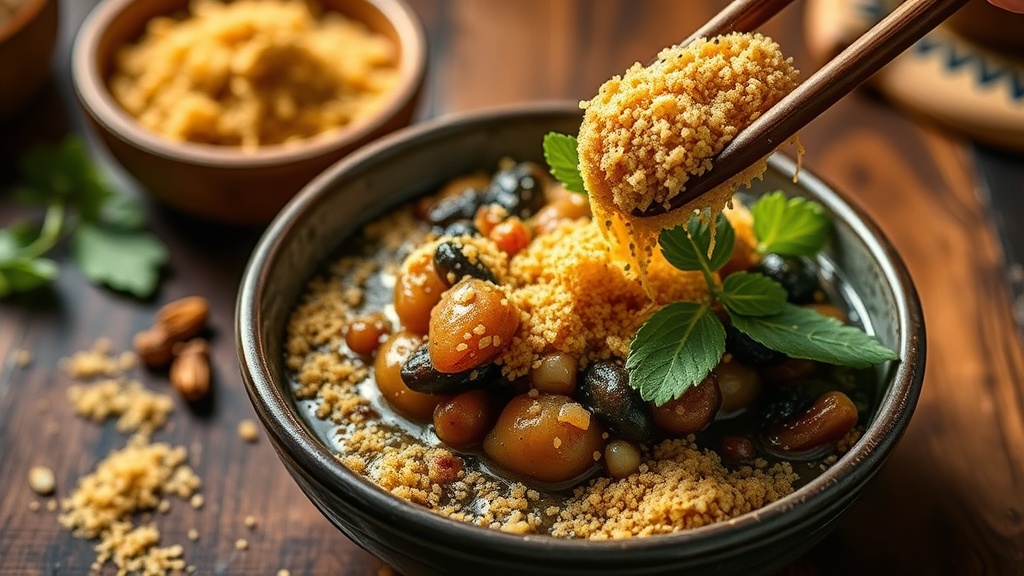
Perfecting the Perfect Plant-Based Umami with Miso and Nutritional Yeast

Many people believe that plant-based cooking is inherently lacking in depth or "meatiness," but that's a misunderstanding of how flavor profiles actually work. This guide explores how to master umami—the savory fifth taste—by using miso paste and nutritional yeast to create depth in vegan dishes. We'll look at the science of these ingredients, how to use them in different cooking stages, and how to balance them to avoid salty or bitter results.
What is Umami and Why Does it Matter in Vegan Cooking?
Umami is the savory taste sensation caused by glutamate, a molecule found abundantly in fermented foods and certain vegetables. While meat provides a lot of this naturally, plant-based cooks can achieve the same satisfaction through strategic ingredient use. It's the difference between a bland vegetable soup and one that feels deeply satisfying.
When you eat something "savory," you're actually experiencing the presence of L-glutamate. In the vegan world, we rely on fermentation and aging to concentrate these flavors. Without it, dishes often feel "thin" or one-dimensional. It isn't about adding more salt; it's about adding more complexity.
Think of it like this: salt makes things bright, but umami makes things heavy and satisfying. If you've ever wondered why a dish feels like it's "missing something" even after you've seasoned it, you're likely lacking that savory depth. (I've spent plenty of nights staring at a bowl of lentils wondering the same thing.)
How Do I Use Miso Paste for Maximum Flavor?
The best way to use miso is to add it toward the end of the cooking process or use it as a seasoning in sauces to preserve its delicate flavor profile. Miso is a fermented paste made from soybeans, salt, and koji—a specific type of fungus (Aspergillus oryzae)—which is widely used in traditional Japanese cuisine. You can find more about the biological process of fermentation on the Wikipedia page for Miso.
Depending on the type of miso you use, the flavor will change significantly. White miso (Shiro) is mild and sweet, while red miso (Aka) is much more intense and salty. Here is a breakdown of how to choose your tool:
- White Miso: Best for dressings, light sauces, or adding to a mild soup. It has a subtle, creamy sweetness.
- Yellow Miso: A great middle-ground for stir-fries or marinades.
- Red/Brown Miso: Intense and pungent. Use this for hearty stews, braises, or heavy gravies where you want a punch of flavor.
One mistake I see often is boiling miso for too long. High heat can destroy the nuanced flavors and the beneficial probiotics. Instead, whisk a tablespoon of miso with a little warm water to create a slurry before stirring it into your hot dish. This prevents clumps and ensures the flavor is distributed evenly.
If you're working on a creamy texture, you might also find interest in crafting a creamy cashew cheese sauce, as both techniques rely on building a rich, mouth-coating sensation.
Can Nutritional Yeast Replace Parmesan Cheese?
Nutritional yeast can act as a direct substitute for the savory profile of cheese, though it lacks the fat and salt of real dairy. Nutritional yeast is a deactivated yeast that has been dried into flakes or powder. It's a staple in vegan pantries because it provides a nutty, cheesy flavor that is actually quite high in B vitamins.
While it provides that "cheesy" hit, it doesn't have the same creamy mouthfeel as actual cheese. To get closer to that experience, you have to pair it with fats. If you just sprinkle it on steamed broccoli, it's fine—but if you want a real flavor bomb, you need to integrate it into a fat-based medium.
| Application | Method | Expected Result |
|---|---|---|
| Direct Topping | Sprinkle on popcorn or roasted veggies | Light, nutty, and salty snack profile |
| Sauce Base | Whisk into a cashew or oat milk base | Rich, "cheesy" texture for pasta or mac |
| Bread Crust | Mix into vegan dough or batter | Savory, golden-brown crust with depth |
The trick is to remember that nutritional yeast is a seasoning, not a structural ingredient. It won't melt like a slice of cheddar. It provides the *flavor* of cheese, but you'll need a starch or a fat to carry that flavor across your palate.
How Much Miso and Yeast Should I Use?
The amount depends entirely on the volume of your dish, but a good rule of thumb is to start small and build. Overdoing it can lead to a dish that is either too salty (from the miso) or too "yeasty" (from the nutritional yeast), which can leave a bitter aftertaste.
For a standard pot of stew or a large batch of sauce, start with one tablespoon of miso or two tablespoons of nutritional yeast. Taste the dish. If it still feels "flat," add a tiny bit more. It's much easier to add more than it is to fix a dish that's become a salt bomb.
Here's a quick guide for common ratios:
- For a quick soup: 1 tsp miso per 250ml of liquid.
- For a heavy pasta sauce: 2-3 tbsp nutritional yeast per 500g of cooked grains/veg.
- For a marinade: 1 part miso to 2 parts oil/acid (like lemon juice or vinegar).
If you're making a delicate sauce, be careful with the nutritional yeast. If you use too much, it can make the sauce feel gritty or "dusty" on the tongue. I've seen many home cooks ruin a perfectly smooth cashew sauce by dumping in too much yeast at the end. Use it as a finishing touch, not a bulk filler.
A quick tip: if you find your dish is a bit too salty due to the miso, don't panic. Add a splash of acidity—like rice vinegar or lemon juice—to balance the saltiness. Acid and salt are the two pillars of flavor, and they work together to keep your palate from getting fatigued.
The goal is to create a layer of flavor that lingers. When you use these ingredients correctly, you aren't just making "vegan food." You're making food that has the depth and complexity of any traditional dish, regardless of the protein source. It's about understanding the chemistry of what makes food taste "good."