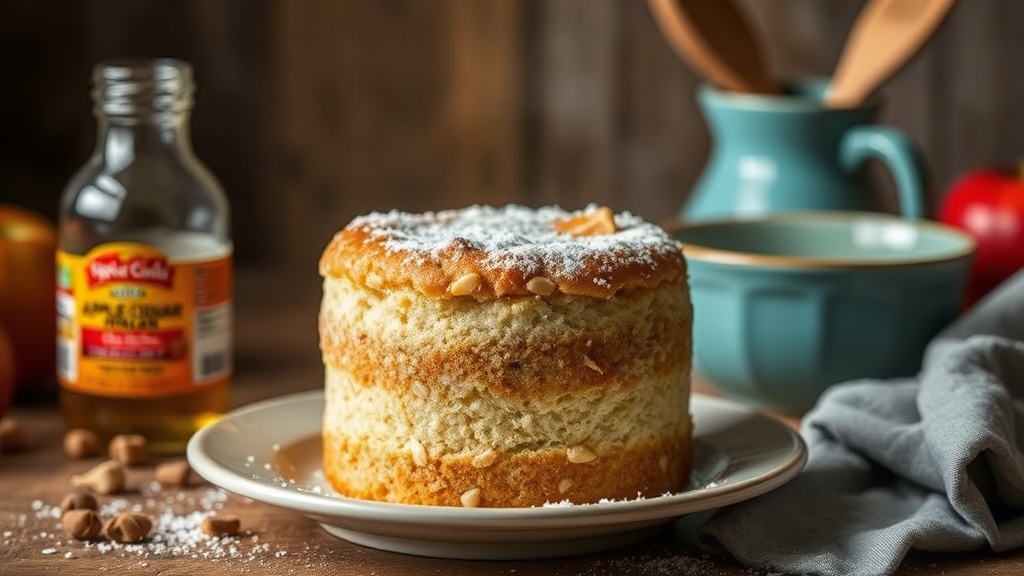
The Secret to Fluffy Vegan Baking: Apple Cider Vinegar Magic

Quick Tip
Adding 1 teaspoon of apple cider vinegar to plant-based milk creates a vegan buttermilk that makes baked goods light, fluffy, and perfectly tender.
This post explains how apple cider vinegar creates light, airy textures in vegan baked goods — and why this pantry staple outperforms expensive egg replacers. Dense, gummy muffins and flat cakes plague many plant-based bakers. The right acid-base reaction solves this without specialty ingredients or complicated techniques.
Why does apple cider vinegar make vegan baked goods fluffy?
Apple cider vinegar reacts with baking soda to produce carbon dioxide bubbles that expand during baking, creating lift and open crumb structure in the absence of eggs. When combined, these two ingredients generate the same leavening action that egg proteins typically provide. The acid in Bragg Organic Apple Cider Vinegar (with "the mother") breaks down gluten strands slightly — resulting in tenderness rather than toughness.
Here's the thing: not all acids work identically. Apple cider vinegar brings subtle fruity notes that complement vanilla, cinnamon, and chocolate. White vinegar tastes harsher. Lemon juice adds brightness that clashes with some flavor profiles.
How much apple cider vinegar should you use in vegan baking?
Most standard recipes require one tablespoon of apple cider vinegar paired with one teaspoon of baking soda per two cups of flour. This ratio produces sufficient gas for muffins, cakes, and quick breads without leaving acidic aftertastes. Too much vinegar creates gummy textures. Too little yields brick-dense results.
That said, high-altitude bakers (Denver, Calgary, Mexico City) should reduce both ingredients by twenty-five percent. The lower air pressure causes batters to rise faster and collapse — less leavening prevents this.
| Recipe Type | ACV Amount | Baking Soda | Result |
|---|---|---|---|
| Vanilla cupcakes (12) | 1 tbsp | 1 tsp | Light, domed tops |
| Chocolate cake (9-inch) | 1.5 tbsp | 1.5 tsp | Fudgy yet airy crumb |
| Blueberry muffins (6) | 0.5 tbsp | 0.5 tsp | Tender, not crumbly |
| Pancakes (serves 4) | 2 tsp | 1 tsp | Fluffy, golden stacks |
Can you substitute apple cider vinegar with other acids?
Yes — lemon juice, white distilled vinegar, and cream of tartar all activate baking soda, though results vary in flavor and texture. Lemon juice works in citrus-forward recipes but can curdle non-dairy milks. White vinegar (like Heinz Distilled White Vinegar) provides neutral acidity for chocolate or spice cakes. Cream of tartar (potassium bitartrate) offers the cleanest flavor but costs significantly more.
The catch? Each acid has different pH levels. Apple cider vinegar typically measures 2-3 pH — slightly milder than white vinegar's 2-2.5. This matters in delicate recipes like angel food cake where aggressive acids toughen proteins.
"Start with room-temperature ingredients," says the test kitchen at King Arthur Baking. "Cold vegan buttermilk (ACV plus soy milk) won't foam as vigorously."
Worth noting: unfiltered apple cider vinegar with "the mother" contains enzymes that some bakers claim improve digestibility. The science remains mixed — filtered versions work identically for texture purposes. Store brands from Whole Foods or Trader Joe's perform as well as premium options in side-by-side testing.
For chocolate cakes specifically, add the vinegar to wet ingredients last — just before combining with dry. This preserves the reaction's potency. The batter should bubble slightly when stirred. No bubbles means flat results. (Expired baking soda is usually the culprit — replace that box from 2019.)
Master this acid-base balance and vegan baking becomes predictable. No more sunken centers. No more chewy, undercooked middles. Just consistent, bakery-quality results from standard pantry items.