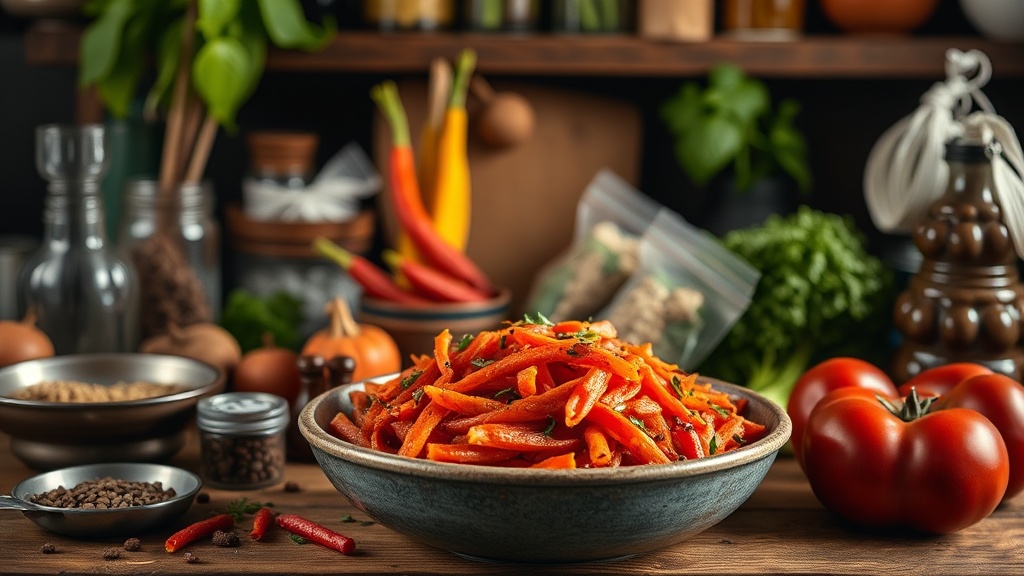
What Should You Always Keep Stocked for Deep, Satisfying Vegan Cooking?

Why do some plant-based meals taste vibrant and complete while others fall flat—no matter how closely you follow the recipe? More often than not, the difference lies in what's already waiting in your pantry. A thoughtfully stocked vegan kitchen isn't about hoarding obscure superfoods or expensive specialty items. It's about building a foundation of ingredients that work together to create depth, complexity, and genuine satisfaction in every dish you make.
This isn't another list of basics you already know about. We're going beyond dried beans and nutritional yeast to explore the pantry staples that quietly transform good vegan cooking into something memorable. These are the ingredients professional plant-based cooks reach for when they want to add richness without dairy, complexity without meat, and that elusive "something missing" that makes people ask for seconds.
Why Does Miso Deserve a Permanent Spot in Your Refrigerator Door?
If you're only using miso for soup, you're missing out on one of the most versatile umami bombs in plant-based cooking. This fermented soybean paste brings a savory depth that mimics the richness of aged cheeses and slow-cooked meats—without either.
White (shiro) miso is mild and slightly sweet, perfect for salad dressings, glazes, and light sauces. Red (aka) miso packs a bolder, saltier punch that stands up to heartier dishes like stews and roasted vegetables. The magic happens when you think beyond Japanese cuisine: whisk white miso into tahini for a creamy sandwich spread, blend it with lemon juice and olive oil for a Caesar-style dressing, or stir a spoonful into tomato sauce for inexplicable depth.
Miso contains beneficial probiotics when kept unpasteurized and refrigerated—though heating will destroy these, the complex flavor compounds remain intact. A little goes a remarkably long way, and a single container can last months when stored properly. For those avoiding soy, chickpea miso offers similar complexity with a slightly sweeter profile.
What's the Deal with Dried Mushrooms—And Why Are They Worth the Extra Step?
Fresh mushrooms are wonderful, but dried mushrooms are something else entirely. The drying process concentrates their natural glutamates, creating an intensity that fresh varieties simply cannot match. Porcini, shiitake, and morel mushrooms each bring distinct characteristics to your cooking arsenal.
The real secret isn't the mushrooms themselves—it's the soaking liquid. When you rehydrate dried mushrooms in warm water, you're creating a broth more flavorful than most vegetable stocks on the market. Strain this liquid through a coffee filter to remove grit, and you've got pure umami gold. Use it as a base for risotto, ramen broth, or grain cooking liquid. The rehydrated mushrooms then add meaty texture to pasta dishes, stir-fries, or stuffings.
A small bag of dried porcini might seem expensive until you realize that a quarter-ounce can flavor an entire pot of soup. Store them in an airtight container away from light, and they'll remain potent for well over a year. Learn more about selecting and storing dried mushrooms from Serious Eats' comprehensive guide.
Can Canned Coconut Milk Really Replace Heavy Cream?
Yes—and in many applications, it performs even better. Full-fat canned coconut milk (not the beverage cartons) contains rich coconut cream that rises to the top when chilled. This cream whips into peaks for desserts, enriches curries and soups, and creates silky pasta sauces without the dairy.
The key is selecting the right product. Look for brands with high fat content (typically 17-20%) and minimal ingredients—coconut and water should be the only components. Avoid "lite" versions for cooking; they lack the richness that makes coconut milk transformative. Thai and Vietnamese brands often offer superior quality to generic supermarket options.
Beyond the obvious curry applications, try blending coconut cream into mashed potatoes, whisking it into hot chocolate, or using it as a base for panna cotta. The subtle coconut flavor complements chocolate, coffee, and spices beautifully. For savory dishes where coconut flavor isn't desired, refined coconut oil provides similar richness without the tropical notes.
What's the Best Plant-Based Substitute for Fish Sauce?
Fish sauce provides something difficult to replicate: fermented depth combined with intense salinity. Several plant-based alternatives can approximate this effect, each with distinct advantages.
Soy sauce mixed with a splash of lime juice and a pinch of sugar creates a quick substitute in Southeast Asian recipes. For deeper complexity, mushroom-based "fish" sauces offer surprisingly authentic results—Ocean's Halo and Colatura di Alici (a fermented anchovy sauce) both produce vegan versions worth seeking out. Perhaps the most interesting option is making your own: fermented shiitake brine combined with kelp and tamari develops remarkable depth after just a few weeks.
These substitutes do more than replace fish sauce—they open new dimensions in your cooking. Try adding them to Caesar dressings, pad thai, or even Caesar-style roasted vegetables. The fermentation brings the same savory backbone that makes fish sauce irreplaceable in traditional cooking. For more on plant-based umami sources, Bon Appétit explores the science thoroughly.
Why Are Preserved Lemons the Secret Ingredient You Didn't Know You Needed?
Fresh lemon brightens dishes. Preserved lemons transform them. This North African staple—lemons packed in salt and left to ferment for weeks—develops a complex, mellow citrus flavor that's simultaneously tart, salty, and faintly bitter in the most pleasant way possible.
The rind becomes soft and edible, while the flesh dissolves into a fragrant pulp. Chop the rind finely and add it to grain salads, tagines, roasted vegetables, or pasta. The saltiness means you can reduce added salt elsewhere, and the preserved quality means they keep indefinitely in the refrigerator.
Making preserved lemons requires only lemons, salt, and patience—about four weeks of waiting. Store-bought versions offer convenience, though homemade allows control over salt levels and additional spices like bay leaves, cinnamon, or coriander seeds. Once you start using them, you'll find excuses to add them to everything from hummus to compound butters.
How Can Nutritional Yeast Actually Improve Beyond "Cheesy" Flavor?
You probably know nutritional yeast for its cheese-like taste, but limiting it to mock mac-and-cheese does this ingredient a disservice. The deactivated yeast contains natural glutamates that enhance savory flavors across the board—similar to how MSG works, but with additional nutritional benefits including B-vitamins and protein.
Try adding a tablespoon to breading for fried foods, mixing it into pesto for deeper savoriness, or blending it into creamy salad dressings. It adds body and richness to soups without dairy, and a sprinkle over popcorn transforms a simple snack into something craveable. The key is buying high-quality brands—some cheaper versions taste more like straw than cheese.
Nutritional yeast stores indefinitely in a cool, dark place, making it one of the most practical pantry investments for plant-based cooks. Buy it in bulk if you use it regularly; the price difference is significant.
What's the Most Overlooked Thickener in Vegan Cooking?
Arrowroot powder and cornstarch get all the attention, but kuzu (or kudzu) root starch deserves recognition. This Japanese thickener creates glossy, translucent sauces with a cleaner taste than cornstarch and superior stability. It works at lower temperatures and won't break down when reheated—ideal for make-ahead gravies and pie fillings.
Unlike cornstarch, which can taste starchy if undercooked, kuzu remains neutral. It's also reputed to have digestive benefits in traditional Chinese medicine, though scientific evidence remains limited. The only downside is cost—kuzu runs several times the price of cornstarch—but a little goes further, and the texture improvement justifies the expense for special dishes.
For everyday thickening, cornstarch still reigns supreme for price and availability. But when you're making a lemon curd, fruit glaze, or pan sauce for company, kuzu creates results that feel professional without effort.
Why Should You Keep Multiple Vinegars Instead of Just One?
Red wine vinegar, apple cider vinegar, and balsamic each serve distinct purposes—and limiting yourself to one means missing opportunities. Sherry vinegar brings nutty complexity that elevates simple vinaigrettes. Rice vinegar offers gentle acidity perfect for delicate Asian dishes. Black vinegar contributes malty depth to braises and dumpling dipping sauces.
Champagne vinegar and white wine vinegar provide neutral acidity without competing flavors. Balsamic—real aged balsamic, not the caramel-colored grocery store versions—adds sweetness alongside tartness. Chinese black vinegar tastes almost like a combination of balsamic and Worcestershire.
Think of vinegars like spices: they each bring something unique. A well-chosen vinegar can rescue a bland dish, brighten heavy preparations, and add dimension to simple ingredients. Store them away from heat and light, and most remain vibrant for years. For understanding vinegar varieties deeply, The Spruce Eats offers an excellent overview.
How Do You Build a Pantry That Actually Gets Used?
The best-stocked pantry is the one you'll actually cook from. Start with three or four ingredients from this list that appeal to your cooking style. If you love Mediterranean flavors, begin with preserved lemons and quality olive oil. For Asian-inspired cooking, stock multiple miso varieties and dried shiitakes.
Label everything with purchase dates—dried mushrooms and spices lose potency over time, even when properly stored. Keep a running list of what needs replenishing, and buy the best quality you can afford for ingredients you use frequently. A $12 bottle of olive oil you use daily provides better value than a $30 bottle that sits untouched.
Finally, taste everything before adding it to dishes. Miso varies wildly between brands. Coconut milk ranges from watery to luxuriously thick. Understanding your specific ingredients means knowing exactly how much to use and when—knowledge no recipe can fully provide.
The transformation won't happen overnight. But as these ingredients become familiar— as you learn which miso works in which application, how much preserved lemon brightens without overwhelming—your cooking will develop the confidence and consistency that separates good home cooks from exceptional ones. And that difference is always worth the shelf space.